
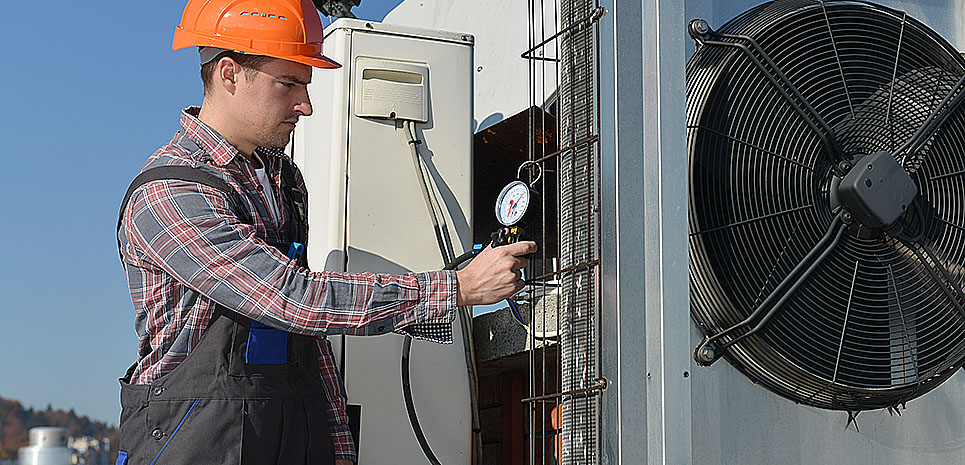
When properly maintained, these systems deliver consistent comfort while consuming less energy than conventional heating systems, resulting in lower utility bills and reduced environmental impact. However, the complexity of heat pump systems means that issues requiring professional heat pump repair can arise, making it important to understand how the components work together. This comprehensive guide explains the science behind heat pump operation, the key components involved, and how the system adapts to provide year-round climate control for your home.
Key Components of a Heat Pump System
A complete heat pump system consists of several critical components that work together to facilitate the heat transfer process. The outdoor unit houses the compressor, which pressurizes refrigerant and circulates it through the system, acting as the heart of the operation. This same outdoor unit contains a coil that functions as either an evaporator or condenser depending on the season and operating mode. The indoor unit also features a coil that works opposite to the outdoor coil, absorbing or releasing heat inside your home. A reversing valve represents the ingenious component that allows heat pumps to switch between heating and cooling modes by changing the refrigerant flow direction.
The expansion valve controls refrigerant flow and pressure, creating the conditions necessary for phase changes to occur in the right locations. Two fans move air across the indoor and outdoor coils, facilitating heat exchange between the refrigerant and the surrounding air. The thermostat serves as the control center, signaling the system when to operate and in which mode based on your temperature preferences.
Heating Mode Operation
When your heat pump operates in heating mode during cold weather, it extracts thermal energy from outdoor air and transfers it inside your home. The process begins with liquid refrigerant flowing through the expansion valve into the outdoor coil, where pressure drops cause the refrigerant to evaporate. As the refrigerant changes from liquid to gas, it absorbs heat from the outdoor air passing over the coil, even when outside temperatures feel quite cold to us. The compressor then draws in this low-pressure refrigerant gas and compresses it, which dramatically increases both its pressure and temperature. This hot, high-pressure gas flows into the indoor coil, where it releases its heat energy as indoor air passes over the coil surface. As the refrigerant loses heat, it condenses back into liquid form and flows back toward the expansion valve to repeat the cycle. The indoor fan distributes the warmed air throughout your home via the ductwork, maintaining comfortable temperatures even as outdoor conditions remain chilly. Professional heating service repair Port Jefferson ensures all components function optimally, maintaining efficiency and preventing breakdowns during cold weather when you need reliable heating most. The system continues this cycle automatically until your thermostat indicates the desired indoor temperature has been reached, at which point the system cycles off until more heating is needed.
Cooling Mode Operation
During summer months, the heat pump reverses its operation to provide air conditioning by removing heat from your home and rejecting it outdoors. The reversing valve changes the refrigerant flow direction, effectively swapping the functions of the indoor and outdoor coils. Now the indoor coil acts as the evaporator, with liquid refrigerant absorbing heat from your home’s air as it passes over the cold coil surface. This heat absorption process also removes moisture from the air, providing dehumidification that enhances comfort during humid weather. The refrigerant, now carrying heat absorbed from indoors, flows to the compressor where it gets pressurized and heated further. The hot, high-pressure refrigerant then moves to the outdoor coil, which now functions as the condenser.
As outdoor air passes over this coil, the refrigerant releases its heat energy to the outside environment and condenses back into liquid form. The cooled liquid refrigerant returns to the expansion valve, where pressure drops before entering the indoor coil to begin the cycle again. This cooling process works exactly like a traditional air conditioner, which makes sense because air conditioners are essentially heat pumps that only operate in cooling mode. The system continues running until your home reaches the desired temperature setting, then cycles off to save energy until cooling is needed again.
The Role of the Defrost Cycle
One unique aspect of heat pump operation involves the defrost cycle, which addresses frost buildup on the outdoor coil during cold, humid conditions. When outdoor temperatures drop near or below freezing while humidity remains high, moisture in the air can freeze on the outdoor coil as the refrigerant absorbs heat. This frost accumulation acts as insulation, reducing the coil’s ability to absorb heat from outdoor air and decreasing system efficiency. To address this issue, heat pumps automatically initiate a defrost cycle when sensors detect excessive frost buildup. During defrost mode, the reversing valve temporarily switches the system to cooling mode, sending hot refrigerant to the outdoor coil to melt the accumulated frost. At the same time, auxiliary heat sources activate to prevent cold air from blowing into your home during this process.
The outdoor fan typically shuts off during defrost to speed frost melting, while steam may visibly rise from the outdoor unit. Defrost cycles typically last five to fifteen minutes, occurring as needed based on outdoor conditions and frost accumulation rates. Modern heat pumps use sophisticated controls to initiate defrost only when necessary, minimizing the energy penalty and maintaining comfort. Understanding this normal operation prevents homeowner alarm when they see the outdoor unit steaming or notice the backup heat engaging.
Efficiency Considerations and Climate Factors
Heat pump efficiency depends heavily on outdoor temperature, with performance declining as temperatures drop further below freezing. The efficiency rating called the Heating Seasonal Performance Factor measures how effectively a heat pump converts electricity into heating over an entire season. Higher HSPF numbers indicate better efficiency, with modern systems ranging from 8 to 13 or even higher for premium models. As outdoor temperatures decrease, the temperature difference between the heat source and desired indoor temperature increases, requiring more energy to move the same amount of heat. Many heat pumps struggle to meet heating demands when outdoor temperatures fall below 25 to 35 degrees Fahrenheit, depending on the model.
This limitation explains why heat pumps work exceptionally well in moderate climates but may require supplemental heating in very cold regions. Auxiliary electric resistance heat strips typically activate during extremely cold weather or when the heat pump cannot keep up with heating demands. Some systems use dual-fuel configurations, pairing a heat pump with a gas furnace that takes over during the coldest weather. Proper sizing ensures your heat pump can meet most of your heating and cooling needs without constantly relying on less efficient backup systems. Regular maintenance including filter changes, coil cleaning, and refrigerant level checks helps maintain peak efficiency throughout the system’s lifespan.
Conclusion
While heat pumps represent modern HVAC technology, traditional systems still serve important roles in certain applications, and homeowners with older equipment like oil furnaces should maintain relationships with qualified technicians offering oil burner repair services Hungtingon for those existing systems. Whether you choose a heat pump, maintain a traditional system, or use a hybrid approach, understanding the underlying principles helps you work effectively with HVAC professionals and optimize your home’s comfort and energy efficiency throughout the year.